


La
Pasada
A vineyard
between three
climates
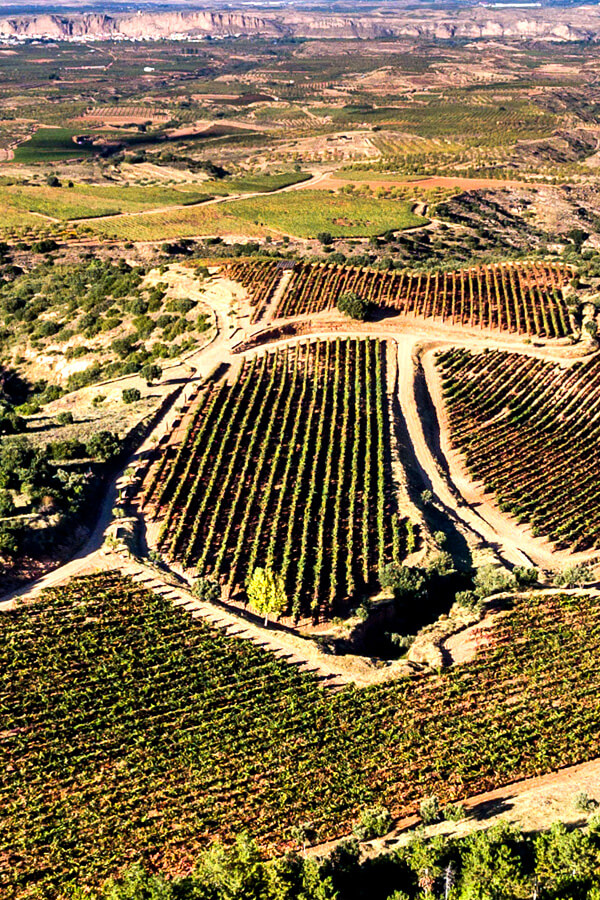
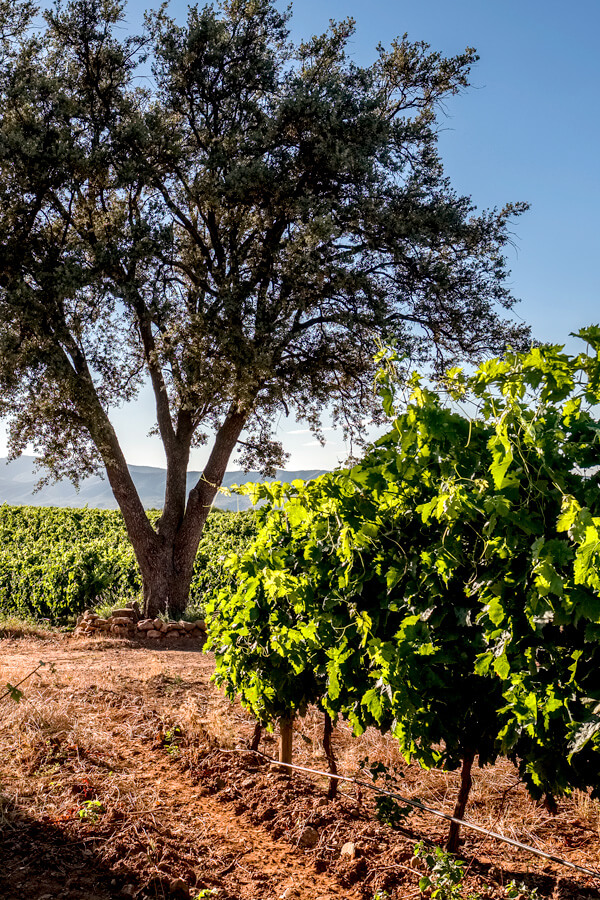
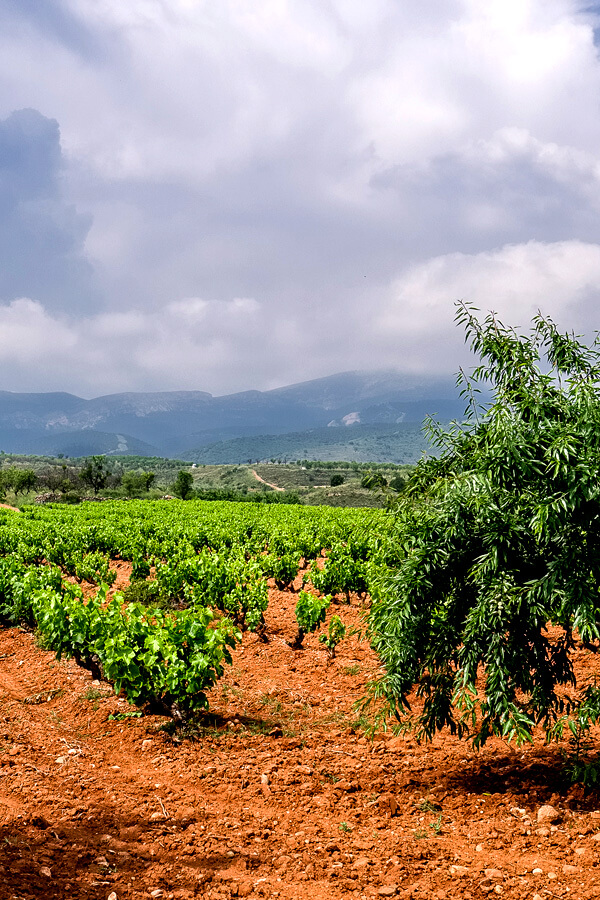
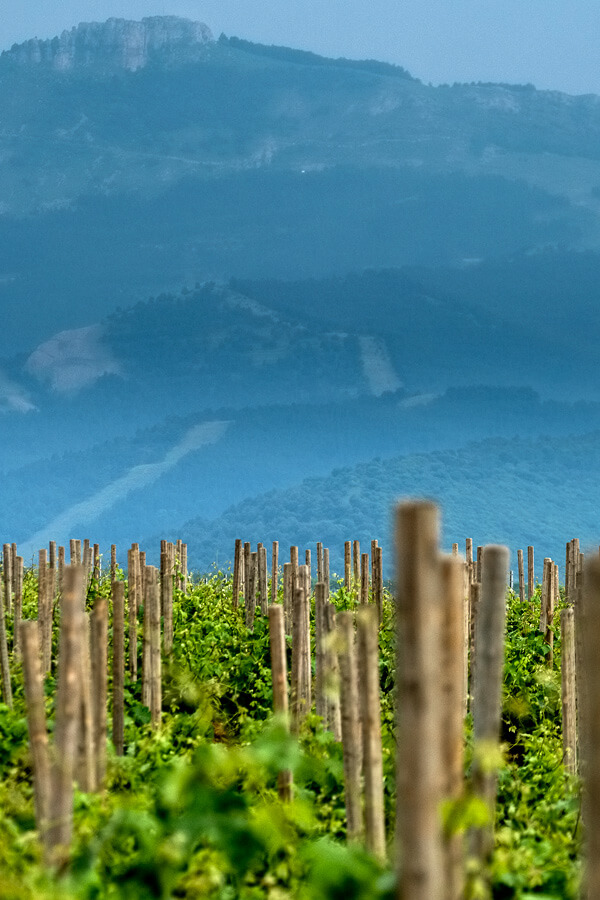
In the highest reaches of Quel, La Pasada lies seemingly suspended between three worlds. At altitudes ranging from 720 to 810 meters, the vines thrive under extreme conditions, surrounded by wild forests in a landscape defined by both harshness and profound beauty.
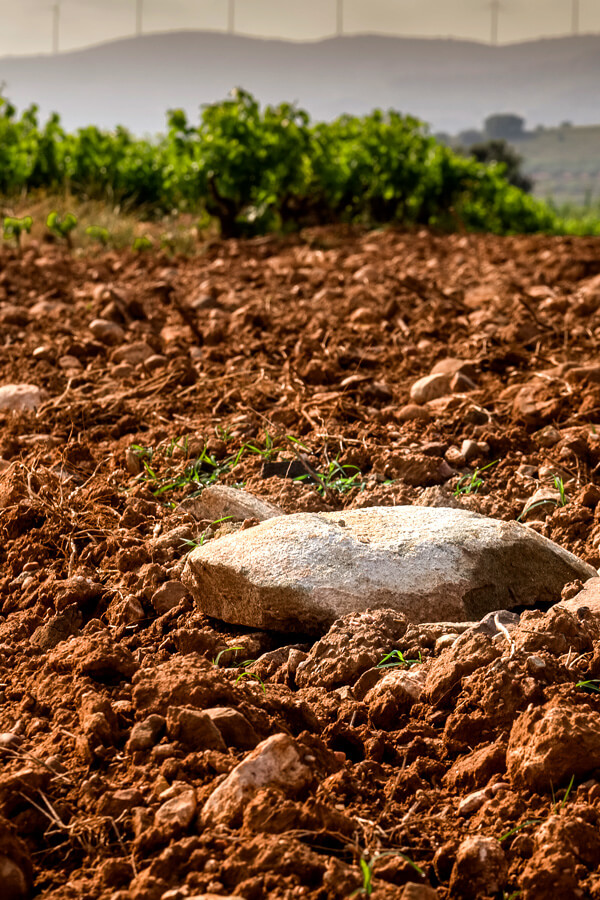
Spanning nearly ten hectares, the estate meanders across steep inclines exceeding 30%, demanding hand-crafted precision and profound respect for the land. The terrain is a demanding sandy-loam soil (over 70% sand), poor in organic matter but boasting excellent drainage. Here, the vines plunge their roots through gravel and reddish sandstone in a deep search for moisture; it is through this struggle that they find their secret to perfect balance.
A vision ahead of its time
Planted between 1989 and 1995, La Pasada was a pioneer in high-altitude viticulture in Rioja Oriental. This project sought to prove that Tempranillo could achieve a more profound and precise expression in the eastern limits if granted sufficient altitude. What began as an experiment has now become an undeniable truth.
The climate at these elevations dictates a slow-paced cycle. Long, cold winters and cool summer nights allow for a gradual maturation and the preservation of vibrant acidity. This significant thermal diurnal range, coupled with the constant Cierzo wind, ensures extraordinary vine health and thick-skinned grapes rich in noble tannins.
Precision viticulture
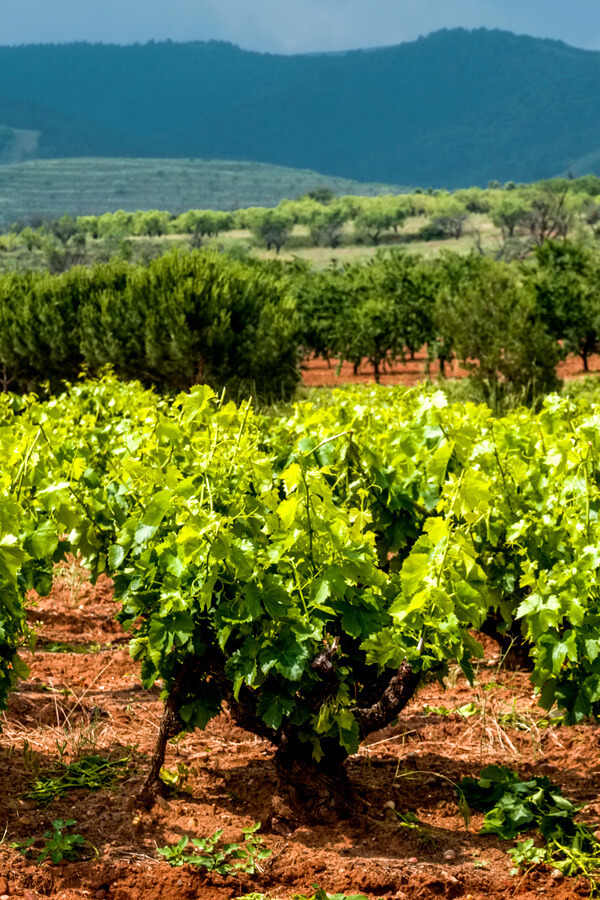
With remarkably low yields, every row is oriented to maximize solar exposure. Viticulture follows a philosophy of minimal intervention: spontaneous cover crops, zero herbicides, and manual harvesting in small crates.
The result is a grape that marries ripeness with freshness, and power with finesse. In the cellar, La Pasada provides the backbone and the soul of Queirón de Gabriel, our iconic Reserva. It is the structural heart of the blend, offering the tannic skeleton and the longevity that sustains the wine.
La Pasada embodies the Queirón ethos: a reverence for the terroir and a commitment to reclaiming the identity of Rioja Oriental. It is a frontier vineyard where wine is born not from abundance, but from the exacting precision of the limit.
The visionary legacy of Gabriel Pérez
This vineyard is a testament to the foresight of Gabriel Pérez, founder of Ontañón Familia and a true visionary grower. At a time when the industry was abandoning rural villages and uprooting old vines, he chose to ascend to the most rugged heights of Yerga. His mission was to reclaim an ancient viticultural site; during land preparation, his intuition was confirmed by the discovery of ancient root systems, silent witnesses to the site’s historical legacy.
Microclimate and viticulture
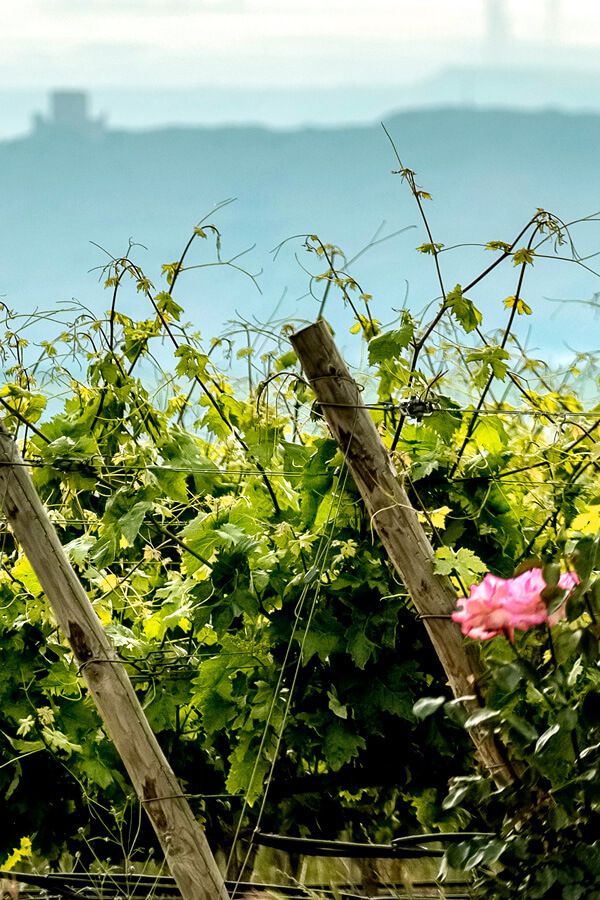
Situated at such high elevations with dramatic slopes, the vineyard benefits from a significant diurnal temperature range. These cool nights and temperate days promote slow ripening, resulting in finer tannins, aromatic depth, and a vibrant acidity that provides exceptional elegance. The natural air currents provide constant ventilation, which is essential for maintaining pristine vine health and naturally reducing the risk of fungal diseases—a crucial advantage in high-altitude viticulture. The estate is strategically divided into sub-plots to optimize solar exposure according to its unique, broken topography.
Soil and geology
The soil composition is primarily sandy-loam, consisting of 73.1% sand, 16.9% silt, and 10% clay. This stratified structure features a sandy topcoat littered with sandstone and large stones, sitting atop layers of ancient clay and sandstone. This allows the vines to establish deep root systems in their search for water. The nutrient-poor soil and rocky terrain induce moderate vine stress, which is key to achieving high fruit concentration.
Varietal and estate profile
-
Primary variety: Tempranillo
-
Planting years: Between 1989 and 1995
-
Planting density: 2.90 m × 1.10 m
-
Training system: Trellis-trained (transitioned from traditional bush vines)
The philosophy of the edge
The extreme location, steep gradient, and altitude make this plot the maximum expression of terroir. It remains perfectly aligned with the winery’s philosophy of minimal intervention, allowing the land to speak for itself. Here, the vines cling to the slopes, bathed in the morning sun and cooled by the Cierzo wind in the afternoon. The result is a wine of structural integrity, refined texture, and a sense of place that only the exacting conditions of the limit can provide.

Quel
The highest
and most rugged part of Yerga
The soil is in layers, ranging from a sandy surface layer with sandstone and big stones followed by strata of old clay and sandstone which allow the roots to grow deep in search of moisture, and deep more clayey layers which retain the moisture in the hot days of summer.
Technical data


16.9% Loam, 73.1% Sand, 10% Clay
Mi Lugar
2019
The allegory of Quel

Queirón de Gabriel
2011
Gabriel´s dream
other
vineyards
of Queirón
///viñedo singular ///garnacha
El Arca
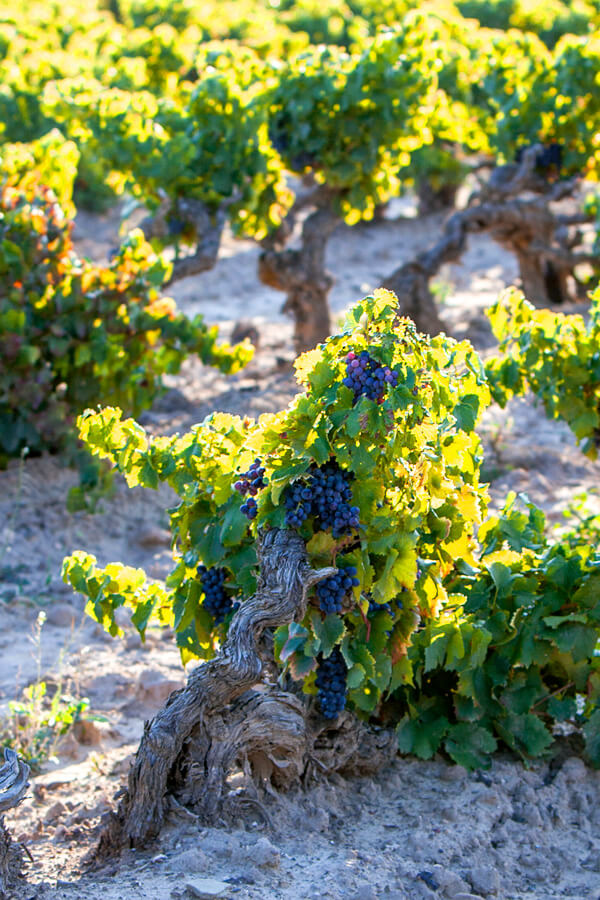
A three-century-old terroir
///viñedo de Quel ///tempranillo
La Pasada
A vineyard between three climates
///viñedo de Quel ///graciano
El Pozo
Graciano's expression
///viñedo de Quel ///garnacha
El Poeta
Garnacha vines in avery poor soil
///viñedo de Quel ///garnacha
La Perdida
Low, old, silent
///viñedo de Quel ///garnacha
La Bartola
Heavenly and brave
///viñedo de Quel ///tempranillo
Los Palos de Tanis
Verticality and elegance
///viñedo de Quel ///tempranillo
Hoyo Judío
The viticulture of an alchemist