



El
Arca
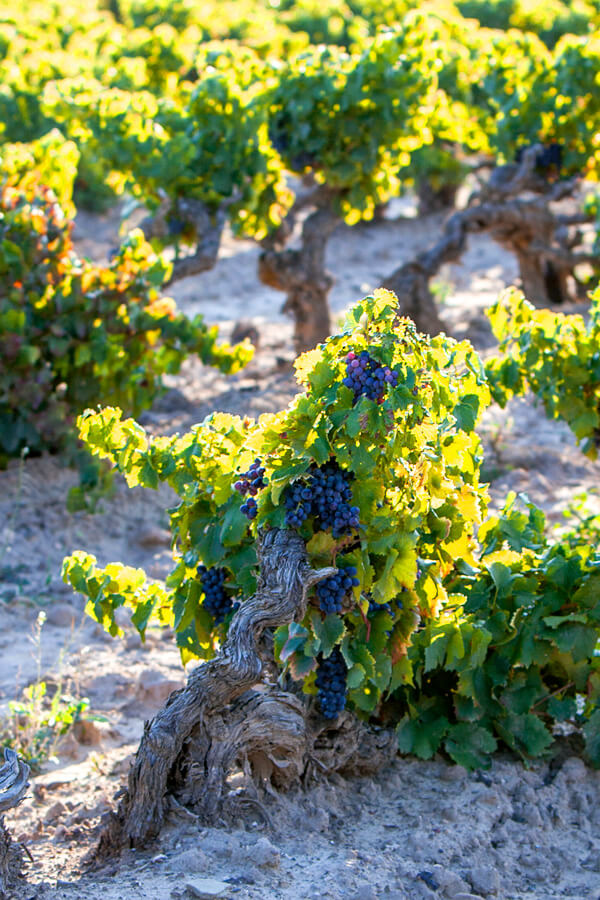
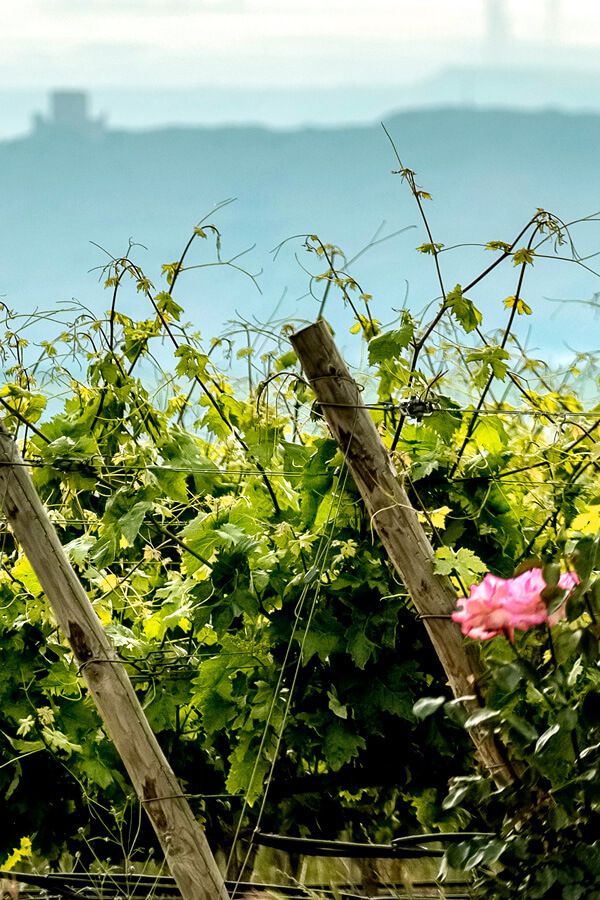
Nestled at the foot of the rocky fortress of Quel, in the heart of Rioja Oriental, lies a hidden viticultural jewel: El Arca. Spanning a mere hectare—0.89 to be precise—this plot encapsulates over a century of Garnacha heritage. Here, rooted in sandy-loam soils and tempered by the biting Cierzo wind, survive some two thousand vines planted in 1892. Surrounding them, the landscape retains the austere and noble character of ancient viticulture: traditional goblet-trained vines, deep-reaching roots, and minuscule yields that barely reach a single kilogram of fruit per plant.
The vineyard’s name is derived from a curious 19th-century hydraulic structure designed to divide an irrigation channel into three directions: toward Arnedo, Autol, and Quel. That engineering feat—a symbol of balance and distribution—lent its identity to this small pago, which today holds the prestigious official distinction of Viñedo Singular within the DOCa Rioja.
El Arca stands as a testament to heroic viticulture. Cultivated through dry-farming, it thrives without intervention, relying solely on the ancestral wisdom of the land and the quiet patience of those who tend it.
A three-century-old
terroir
Terroir and topography: ‘The anatomy of El Arca’
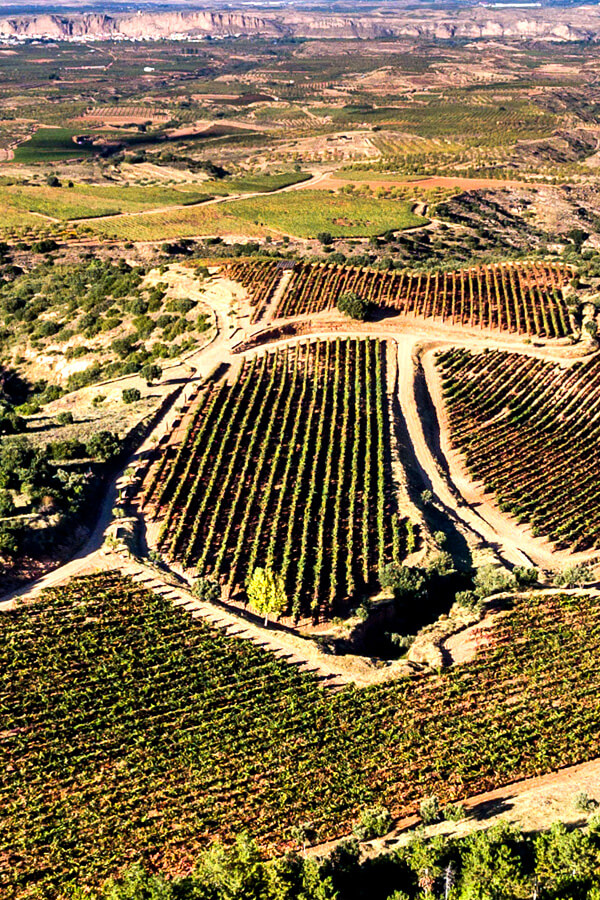
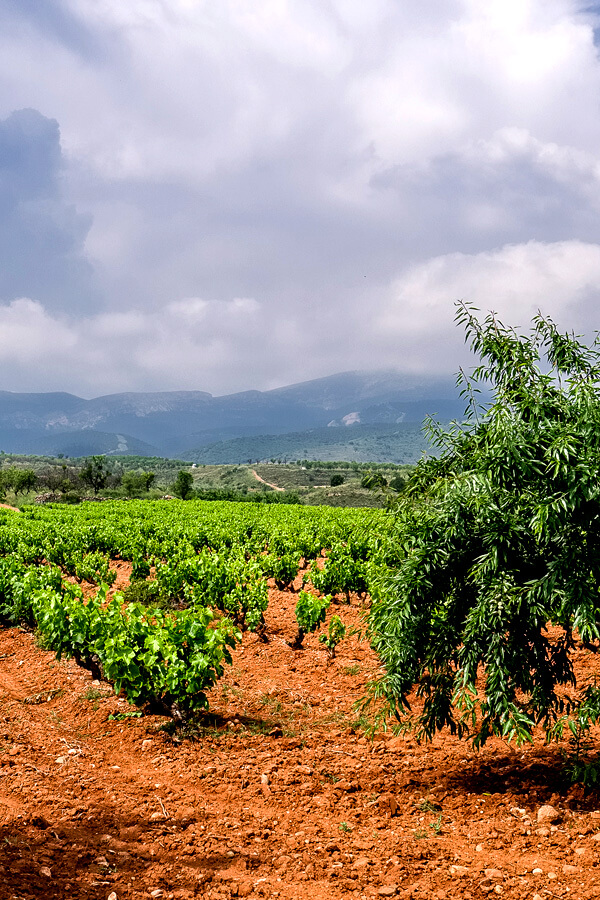
El Arca is an intimate plot of less than one hectare (0.89 ha), perched north of the historic village of Quel, at the foot of the hill crowned by its medieval castle. Situated at an altitude of 490–510 meters in the upper reaches of the Cidacos Valley, it belongs to the Rioja Oriental subzone. Its north-facing orientation and the influence of the Cierzo—the cold, dry wind descending from the Moncayo—temper the summer heat, ensuring an exceptional sanitary environment throughout the vegetative cycle.
Geology of El Arca
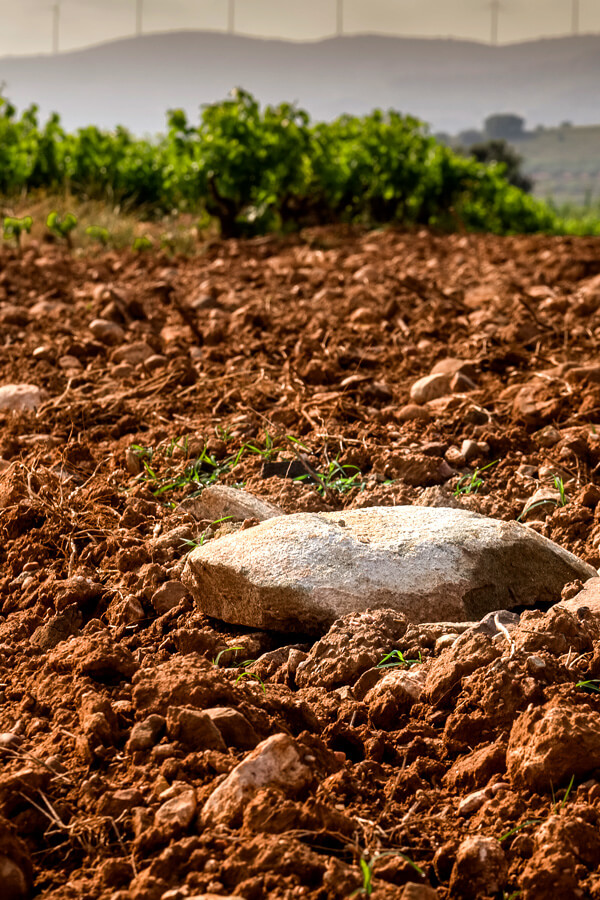
The soil of El Arca is sandy-loam, characterized by its loose structure: 61% sand, 28% silt, and less than 10% clay. This naturally low fertility and lack of organic matter compel the roots to delve deep into the earth in search of water and nutrients. This struggle fosters a restrained vegetative balance, resulting in minuscule yields and berries of profound concentration.
Beneath the surface lies a subsoil of gravel and reddish sandstone—remnants of ancient Ebro fluvial deposits. These provide excellent drainage and thermal warmth, contributing significantly to the ripe, aromatic character of this site-specific Garnacha.
Climate and exposure
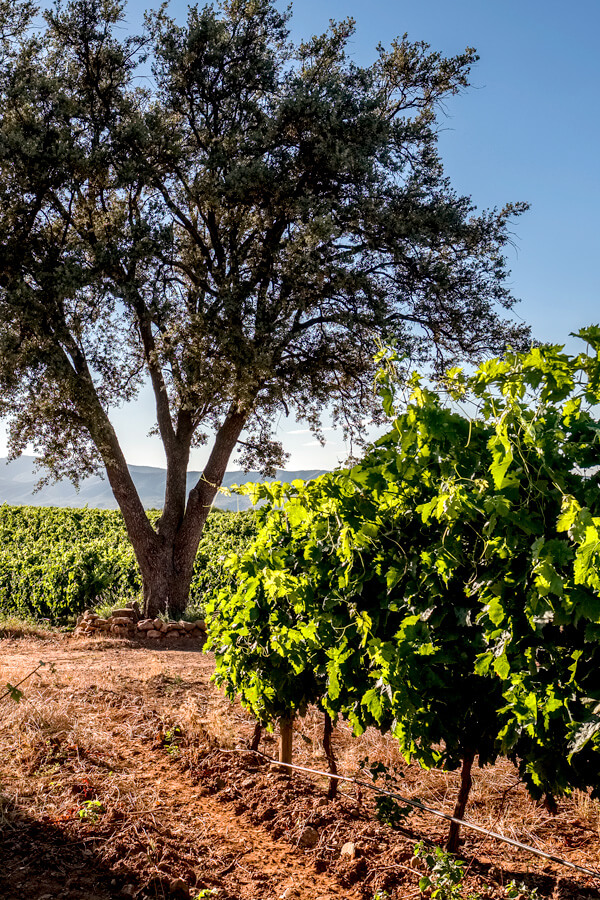
El Arca enjoys a singular microclimate with a marked Mediterranean influence, refined by altitude and its north-northwest exposure. Summers are warm and dry, yet diurnal temperature shifts (cool nights) and moderate rainfall (450-500 mm) allow for a slow, balanced ripening. This synergy produces grapes with thick skins, refined tannins, and a natural acidity that preserves freshness even in the warmest vintages.
The plot’s orientation has been decisive for its survival and its delicate balance between yield and excellence. By facing the Cierzo and shielding itself from the scorch of the summer heat (bochorno), El Arca stands as a tribute to the ancestral wisdom of the 19th-century viticulturists who understood the nuances of this land long before modern maps.
Heritage and Craft: The Soul of a Centenarian
Age and viticulture
Planted in 1892, El Arca stands as one of the oldest documented vineyards in Rioja Oriental. It is a sanctuary of pure Garnacha Tinta, with vines grafted onto pre-phylloxera rootstocks or original pie franco in certain instances.
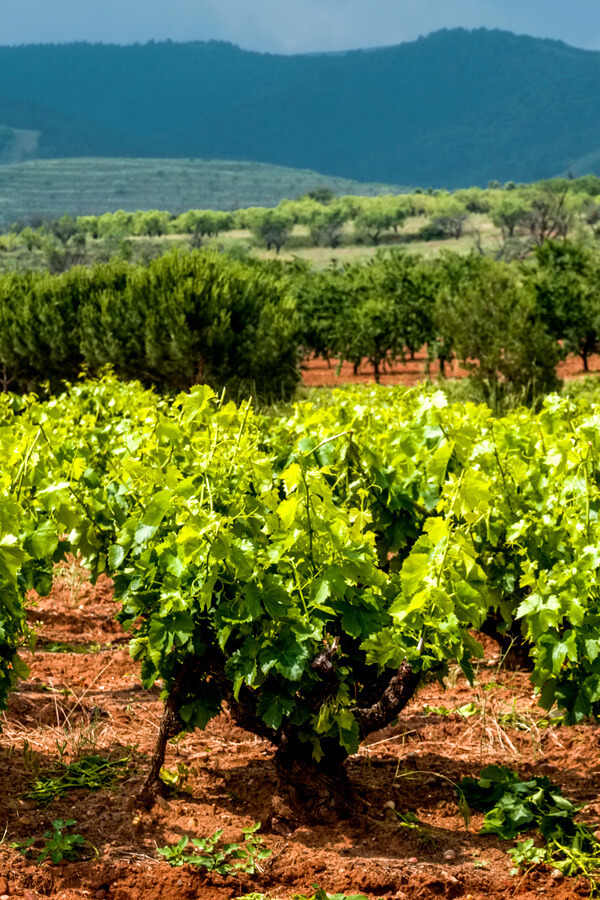
The vines are trained in the traditional goblet (bush vine) style, characterized by short pruning and restrained vegetative growth—a perfect adaptation to dry-farming (secano). There is no irrigation or aggressive mechanical tilling; every task is performed manually, honoring the natural equilibrium of the soil.
Yield and stewardship
El Arca produces fewer than 2,000 kg per hectare, which translates to approximately one kilogram of grapes per vine. This extreme yield limitation results in raw material of profound concentration, rich in anthocyanins and noble tannins.
The viticulture is both artisanal and regenerative: employing spontaneous cover crops, minimal phytosanitary intervention, and a total absence of herbicides. Each vine is treated as an individual, with the harvest conducted by hand in small crates, ensuring selection in situ.
An official distinction: Viñedo singular
El Arca is officially recognized as a Viñedo Singular by the DOCa Rioja Control Board. This elite category is reserved for exceptional plots that prove pedigree, full traceability, sustainable viticulture, and superior quality in the glass.
El Arca is a vineyard of perfect symmetry between austerity and nobility: a small parcel born from humble soil that, through the passage of time and meticulous human stewardship, has become one of the purest and rarest expressions of Riojan Garnacha.

Quel
The complexity
of a unique soil
Technical data


28% loam, 61.4% sand 9.79% clay
El Arca
2020
An ancestral journey
other
vineyards
of Queirón
///viñedo singular ///garnacha
El Arca
A three-century-old terroir
///viñedo de Quel ///tempranillo
La Pasada
A vineyard between three climates
///viñedo de Quel ///graciano
El Pozo
Graciano's expression
///viñedo de Quel ///garnacha
El Poeta
Garnacha vines in avery poor soil
///viñedo de Quel ///garnacha
La Perdida
Low, old, silent
///viñedo de Quel ///garnacha
La Bartola
Heavenly and brave
///viñedo de Quel ///tempranillo
Los Palos de Tanis
Verticality and elegance
///viñedo de Quel ///tempranillo
Hoyo Judío
The viticulture of an alchemist