



Gar
na
cha

The genesis of an essential Riojan variety with a soul deeply rooted in Quel
The history of Garnacha in Rioja is inextricably linked to two major viticultural crises: the powdery mildew (oídio) epidemic of 1854 and the devastating arrival of phylloxera at the dawn of the 20th century. While the first documented mention of the variety dates back to 1321, a definitive turning point occurred during the 1912 National Viticulture Congress. Organized by Nicolás García de los Salmones, this landmark event presented a pioneering study mapping specific grape varieties to their ideal Riojan locales. Crucially, Quel was recognized as the preeminent hub for Garnacha cultivation, cementing its historical role as a pioneer for the variety.
Viticultural Profile and Character
Today, Garnacha stands as the second most planted variety in the DOCa Rioja, accounting for 18% of the region’s vineyards. Renowned for its rusticity and drought resistance, the vine also boasts natural immunity to pests like acariosis and powdery mildew—traits that fueled its historical expansion—though it remains susceptible to coulure (shattering).
While highly adaptable, Garnacha thrives in dry, warm, and well-drained soils. It yields highly aromatic wines characterized by:
-
Visuals: Subtle, translucent color intensity.
-
Structure: High alcoholic strength balanced by medium body and vibrant acidity.
-
Profile: An expressive aromatic profile that reflects the unique nuances of the Riojan landscape.
Quel: The cradle and origin of riojan garnacha
The first written record of Garnacha dates back to 1321, found in a ruling by the Parliament of Paris. The document details a shipment of 1,387 casks of wine: half griece (likely Muscat or Malvasia from Greece) and half varnacie (Garnacha). This style of wine, also known historically as vernache, gernache, or grenache, was widely distributed across Europe by Venetian merchants starting in 1204. By the late 18th century, it had gained significant popularity in France as a vin de liqueur (fortified wine).
In 1882, the researcher Valier noted that Garnacha was a relatively recent introduction to Aragon. While it was used primarily as a table grape in the early 19th century, its natural resistance to powdery mildew (oídio) fueled its expansion throughout the region. By the end of that century, it accounted for 85% of the vineyards in Cariñena. Prior to the arrival of phylloxera, the variety spread across southern France under names such as Grenache, Bois Jaune, or Bouge de Alicante. Valier described it as a robust vine with light green leaves and well-distributed, low-hanging clusters that rarely touch the ground.
Key Characteristics of Garnacha
In 1942, Marcilla described the Garnacha vine as having an upright growth habit (porte erguido), with medium-to-small, hairless (lampiñas) leaves of a pale green hue. Although it flowers abundantly, it is prone to poor fruit set (cuajado incompleto), particularly when grafted onto rootstocks like Rupestris du Lot. It is a late-ripening variety, typically yielding lower alcohol levels and higher acidity than the Tinto de Madrid. Its wines, noted for their soft color intensity, tend to develop a characteristic “onion-skin” (tela de cebolla) tint as they age.
In 1978, Antonio Larrea further detailed its viticultural merits:
-
Terroir Adaptation: It thrives in stony and clay-based soils, preferably on well-ventilated hillsides and in warm climates.
-
Resilience: While highly resistant to powdery mildew, it remains vulnerable to downy mildew (mildiu) and certain pests.
-
Yields: Although capable of high yields, it is notably susceptible to coulure (the shattering of the flower).
The introduction of the Garnacha grape to Rioja is not fully documented, yet it is intrinsically linked to two critical periods of viticultural crisis: the powdery mildew (oídio) outbreak of 1854 and the extensive replanting efforts following the phylloxera plague during the first third of the 20th century.
From the very beginning, the village of Quel emerged as a primary hub for Garnacha cultivation. A living testament to this heritage is the El Arca estate—a vineyard of less than one hectare dating back to the late 19th century. As one of the oldest standing vineyards in the DOCa Rioja, it serves as rare, tangible evidence of the variety’s early arrival in the region.
Early Documentary References
Renowned researchers such as Fernando Martínez de Toda and Juan Carlos Sancha (University of La Rioja) have traced the variety’s earliest historical mentions. Garnacha appears in an 1846 manuscript from Briñas titled “Prevención para la elaboración de vinos destinados a Ultramar” (Guidelines for the Production of Wines Destined for Overseas). This document highlights the success of wines crafted with Tempranillo blended with “Garnacha, Graciana, or Mazuela.”
The Agricultural Service of the Provincial Council of Navarra, founded in 1896 and led by the influential agronomist Nicolás García de los Salmones, played a pivotal role in the post-phylloxera recovery. In this context, García de los Salmones organized the National Viticulture Congress to commemorate the Battle of Las Navas de Tolosa—a landmark event for Spanish oenology.
Quel: The Cradle of Garnacha in Rioja
In one of the congress’s most crucial presentations, García de los Salmones delivered the most extensive study to date on Rioja’s varietal heritage. He documented 42 varieties cultivated in the province of Logroño and 26 in Álava.
For the first time in history, he formally linked specific grape varieties to their respective municipalities. In this seminal analysis, he identified Quel as the primary epicenter for Garnacha in Rioja, while also noting the presence of Mazuela and other emblematic varieties that define the region’s identity today.

Un recorrido por la historia de la Ampelografía.
2017
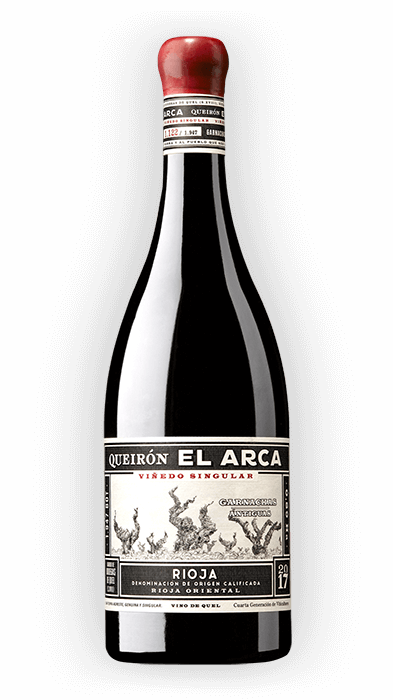
Queirón
with garnacha
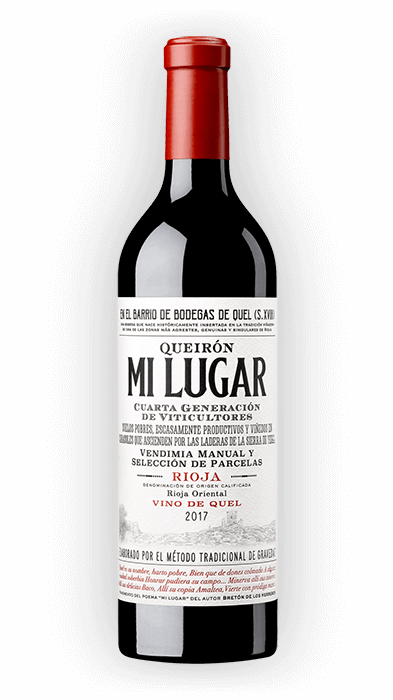
2017
_about
garnacha
Ampelographic characteristics
Aptitudes for cultivation
Sensitivity to diseases and adversities
Oenological potential
Training and pruning
Shooting period
Ripening period
Production
Un recorrido por la historia de la Ampelografía.
Queirón
vineyards
with garnacha
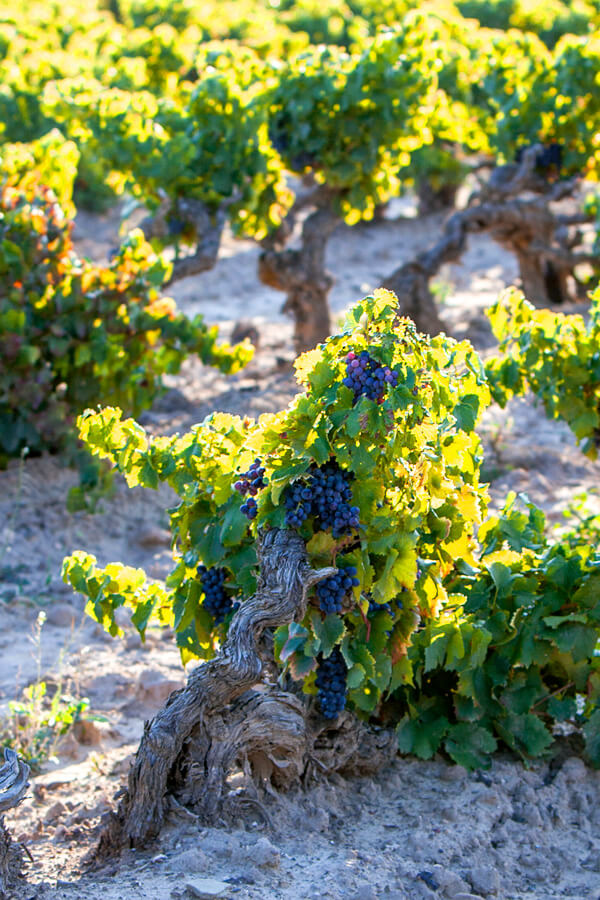
///viñedo singular ///garnacha
El Arca
A three-century-old terroir
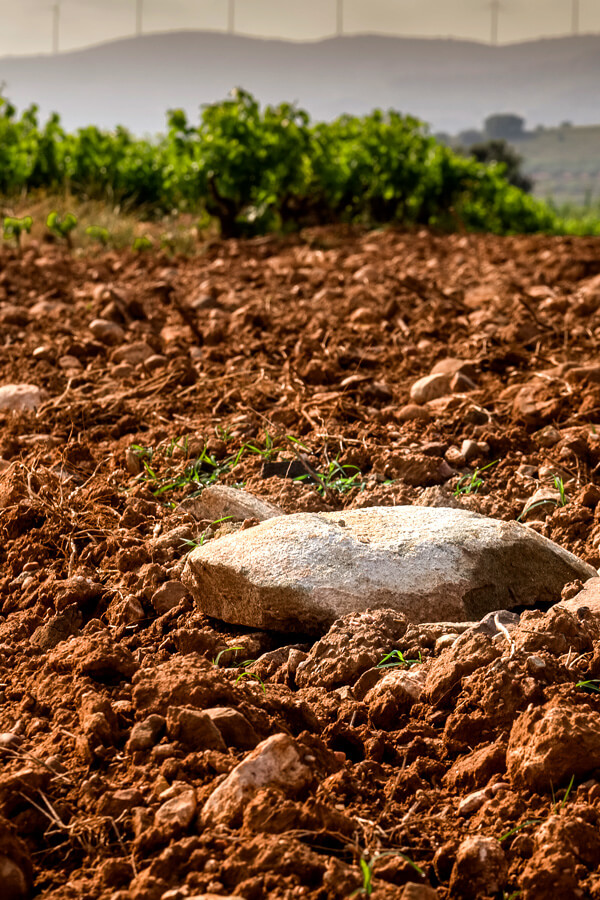
///viñedo de Quel ///garnacha
El Poeta
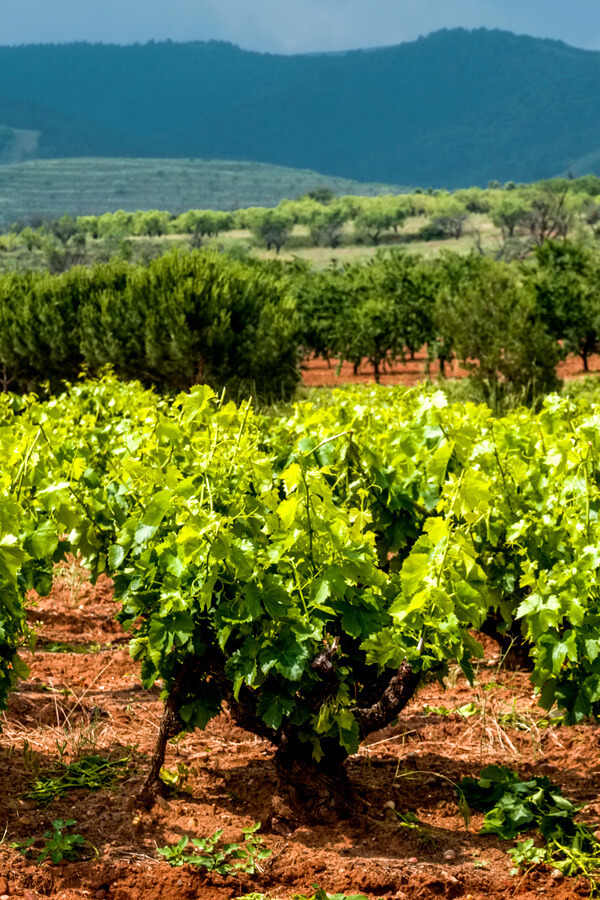
Garnacha vines in avery poor soil
///viñedo de Quel ///garnacha
La Bartola
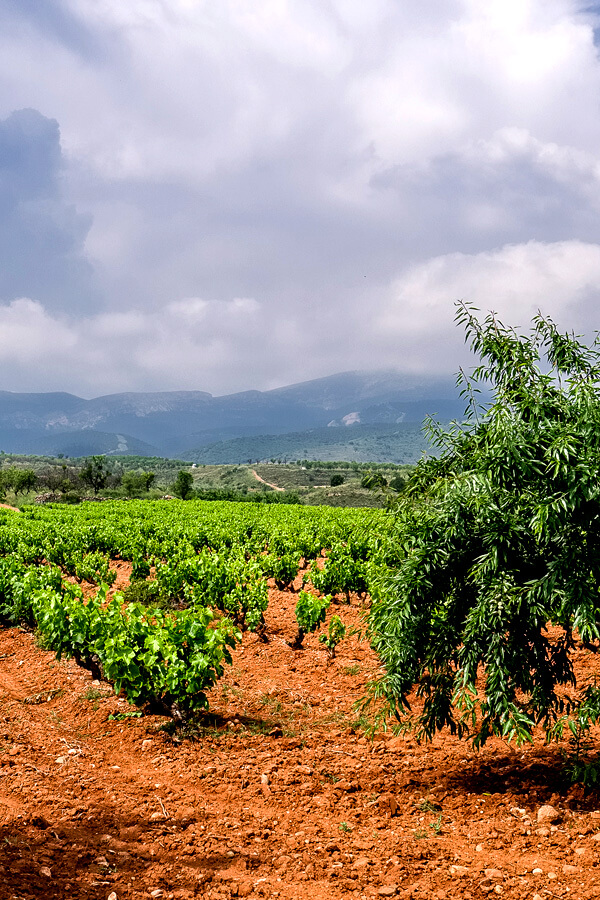
Heavenly and brave
///viñedo de Quel ///garnacha
La Perdida
Low, old, silent