



Tem
pra
nillo
The elegance
of Rioja wines
Tempranillo is the Rioja grape par excellence, the cornerstone of its great red wines and one of the most highly regarded winemaking varieties in the world. It covers 75% of the crop area of Rioja and, as the oenologist José Hidalgo Togores explains, according to recent DNA studies conducted by the Instituto de Ciencias de la Vid y del Vino (ICVV) and the Instituto Madrileño de Investigación de Desarrollo Rural, Agrario y Alimentario (IMIDRA), its origins have been established as a cross between:
-
The white Albillo Mayor (Turruntés) variety, originally from Castilla-León and described by Alonso de Herrera in 1513.
-
The red Benedicto variety from Aragón, described by Nicolás García de los Salmones in 1914, which is currently on the point of extinction.
History
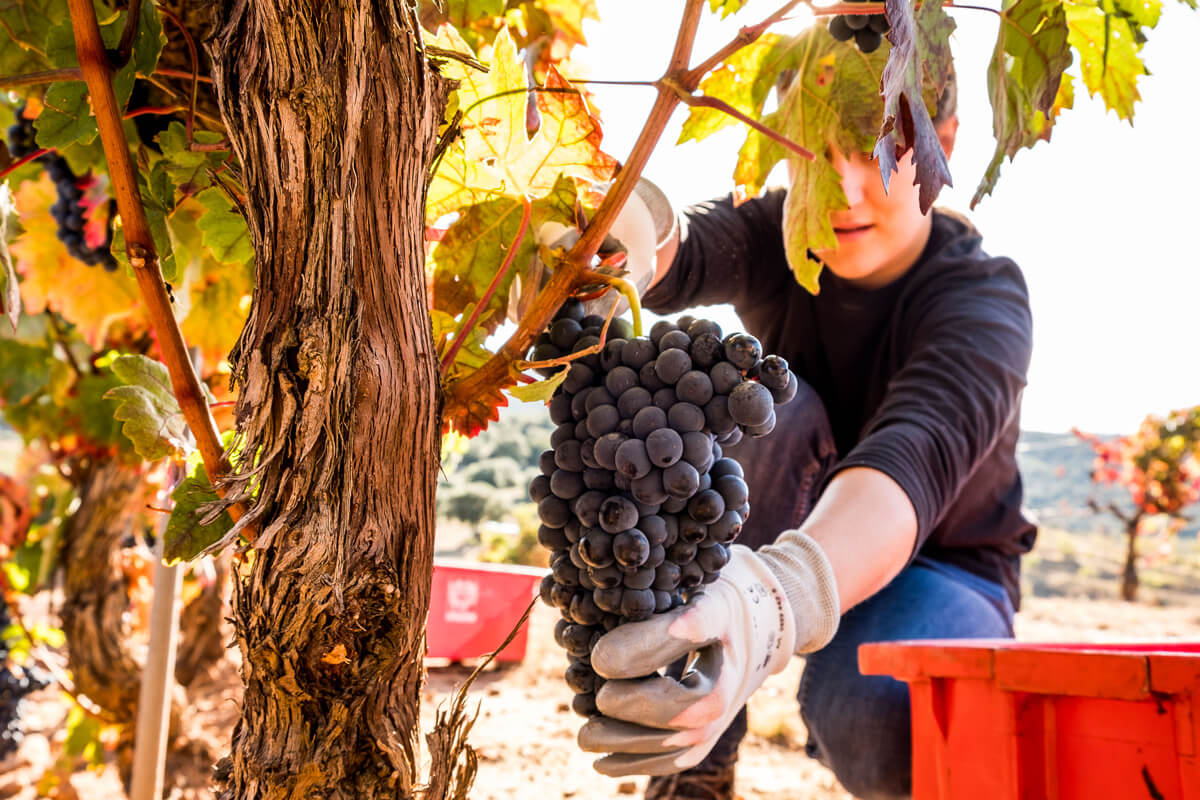
The first historical reference to Tempranillo dates back to 1513 in the Tratado de Agricultura General (Treatise of General Agriculture) by Alonso de Herrera. In this work, he describes the variety under the name Aragonés, characterizing it as a “compact grape with large, tightly bunched clusters and highly productive vines.” Herrera noted that it produced a deep purple wine with a short shelf life, which improved significantly when blended with white grapes.
The first specific mention of Tempranillo cultivation in Rioja appeared in 1791 in the book Agricultura General by Valcárcel. In this study, he cites Tempranillo alongside varieties such as Garnacha, Mazuela, and Barbés (likely the modern-day Graciano). Valcárcel observed that it possessed tougher skins and strong canes, noting that it was harvested fifteen days earlier than Garnacha and produced a remarkably robust wine.
In 1807, S. Clemente provided the second known reference to Tinto Fino using its current name, mentioning both the Tempranillo of Logroño and the Tempranillo of Sanlúcar. Clemente asserted that the variety originated in Logroño, describing it as having upright canes and fleshy grapes with very dark, tasty juice. He famously noted its early sweetness, remarking that “bees devour the grapes before they even finish ripening.”
Expansion and geographic synonyms
By 1885, E. Abela, in El libro del viticultor (The Winegrower’s Handbook), described the Tempranillo of Peralta and Rioja. Abela documented its spread across Navarre and Rioja, noting it was also grown in Zaragoza as Cencibera, in Castilla as Tinto Aragonés, and in Tarragona as Coregón. Later, in 1905, Manso de Zúñiga placed its cultivation in Rioja, Navarre, Burgos, and Soria, suggesting a Riojan origin and providing a detailed technical description of its large, conical clusters and intense black berries.
It was not until 1954 that the link between Riojan Tempranillo, Madrid’s Tinto Fino, and Valdepeñas’ Cencíbel was officially recognized. Juan Marcilla Arrázola identified them as the same variety, while highlighting that the vast differences between La Mancha and Rioja wines were determined by soil, climate, and production practices.
Modern enological profile
In his book Cepas del Mundo (Vines of the World), José Peñín assesses Tempranillo as a variety that thrives in calcareous clay soils. He defines its modern profile through several key traits:
-
Aromatic Notes: Pleasant reminders of blackberry and bramble.
-
Palate: A fresh, dry sensation, standing in contrast to the slight sweetness found in many other Spanish varieties.
-
Aging Potential: Exceptional suitability for oak aging, characterized by a solid tannin structure, deep color, and an acidity that remains persistent throughout the aging process.

Un recorrido por la historia de la Ampelografía.
2017
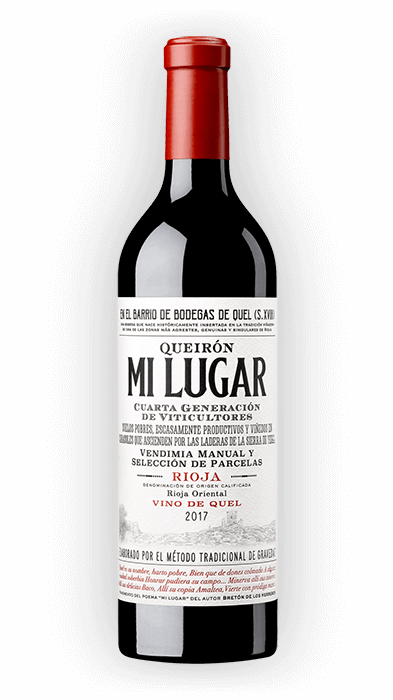
Queirón
with tempranillo
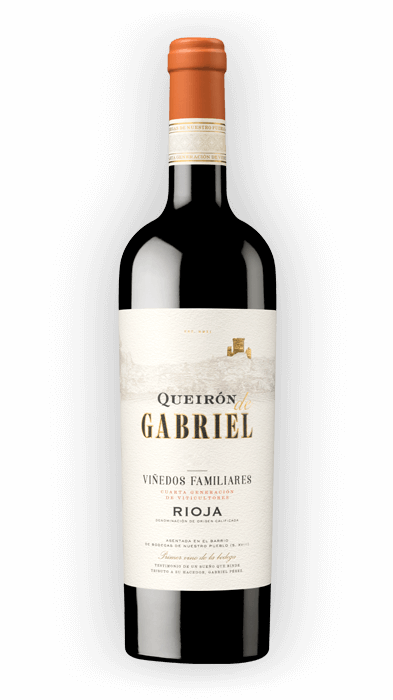
2011
2011
_about
tempranillo
A variety originally from Rioja and cultivated in numerous vineyards all over the world. The name is derived from the term “temprano”, meaning early, due to its tendency to ripen early. It is a widely cultivated variety which is also grown in Portugal, the south of France, Argentina, USA, Australia, Morocco, Brazil, Venezuela, Uruguay, Mexico, and Thailand. It is known under various names: Tinta del Pais, Tinto de Toro, Tinta Fina, Cencibel (in the region of La Mancha), Tinto de Madrid, Ull de Llebre (in Catalonia), and Ojo de Liebre. In addition, it receives the names of Aragonez and Tinta Roriz in Portugal.
Ampelographic features
Aptitudes for cultivation
Sensitivity to diseases and adversities
Oenological potential
Training and pruning
Shooting period
Ripening period
Production
Vivai Cooperativi Rauscedo sca.
Queirón
vineyards
with tempranillo
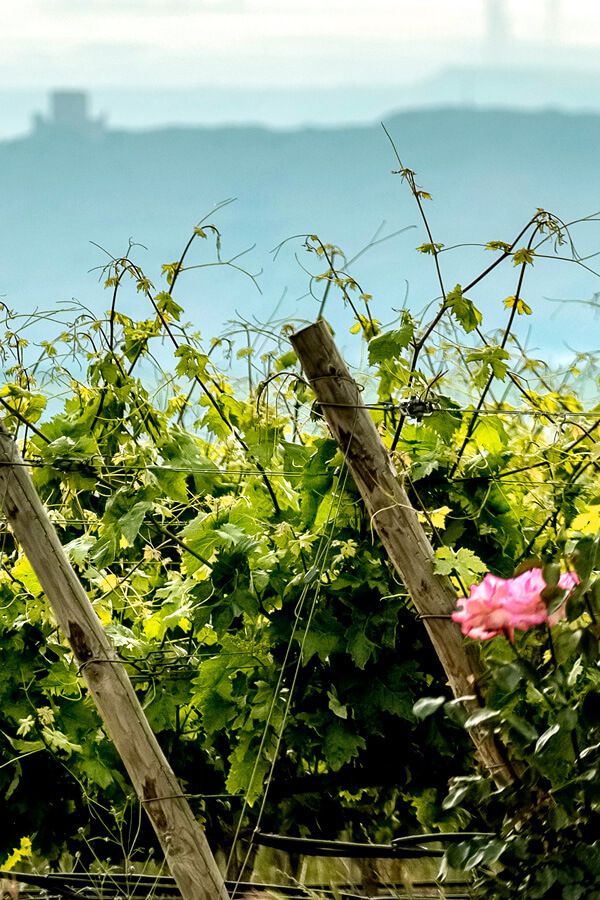
///viñedo de Quel ///tempranillo
Hoyo Judío
The viticulture of an alchemist
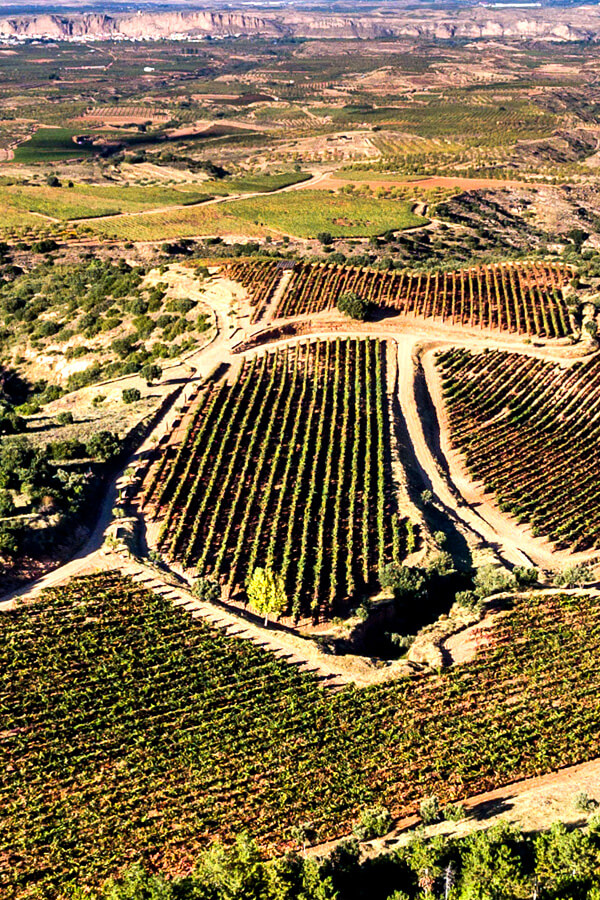
///viñedo de Quel ///tempranillo
La Pasada
A vineyard between three climates
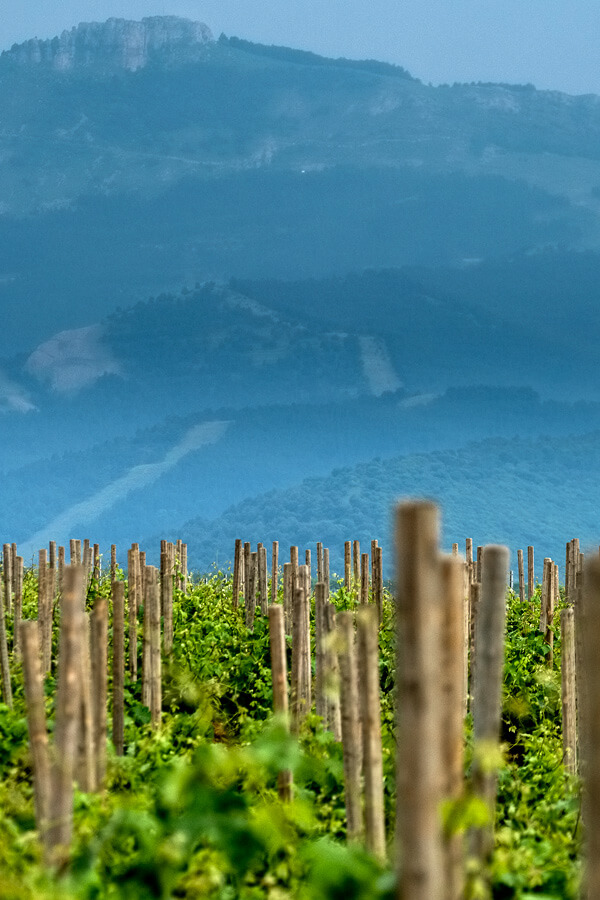
///viñedo de Quel ///tempranillo
Los Palos de Tanis
Verticality and elegance