





Time
stands still
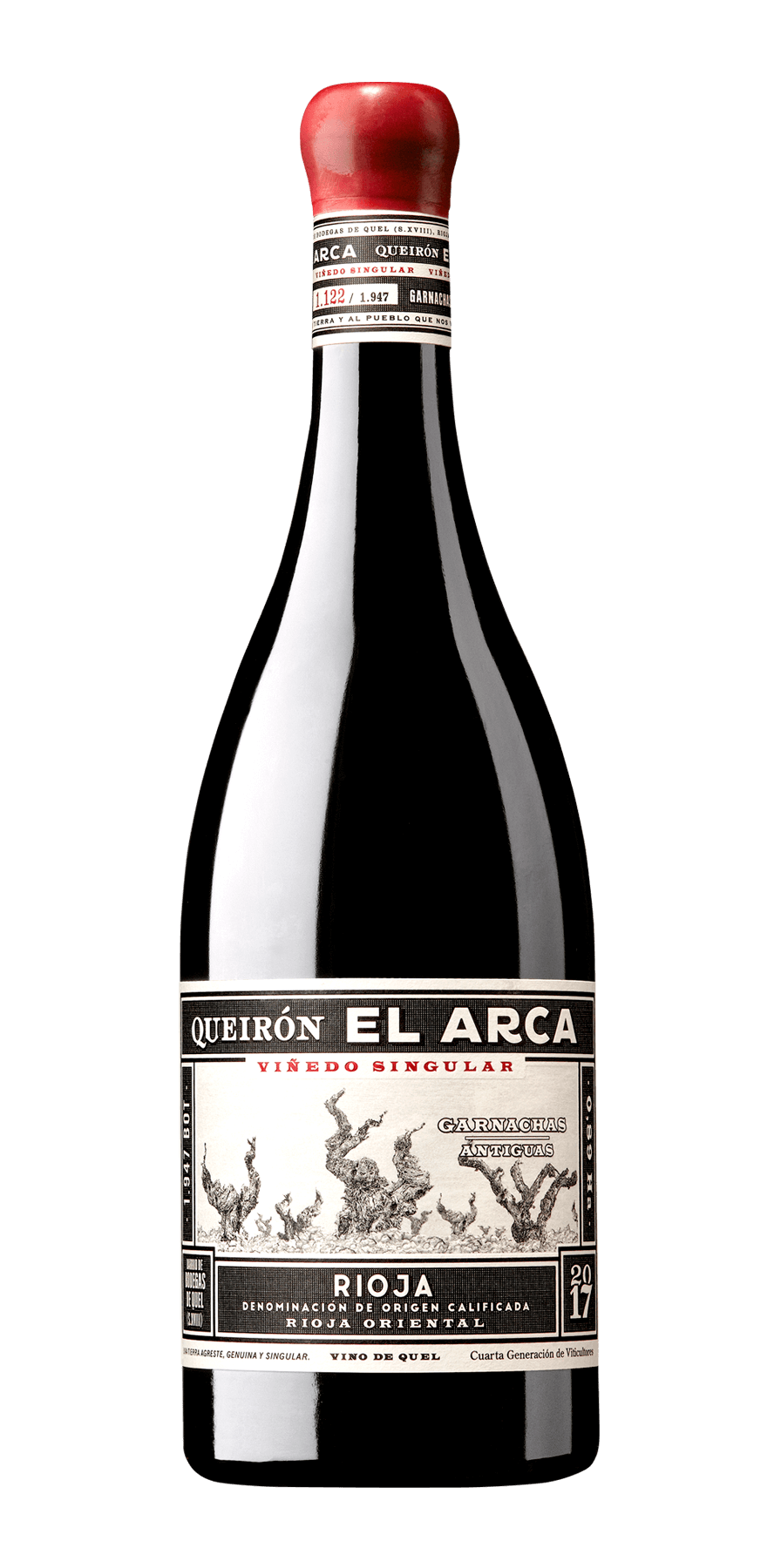
El Arca is a journey into the past, a journey into the ancestral viticulture of Rioja and a journey into the austerity of poor and fragile soil that is essential for grape-growing. At the foot of a 15th century castle in Quel, time stands still. A unique wine is made from a unique vineyard in the Old World…a vineyard that is a vestige, a treasure and that is anchored in memory.

A vineyard
between three centuries
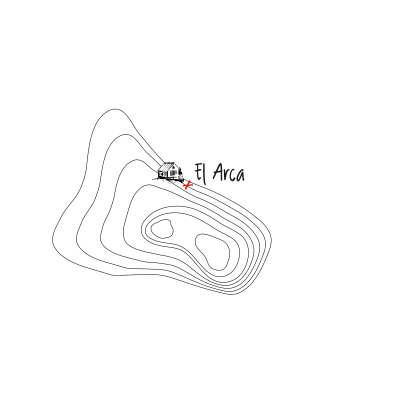
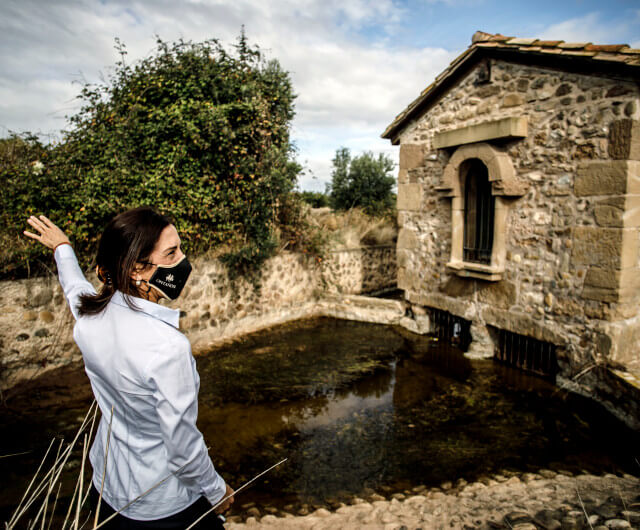
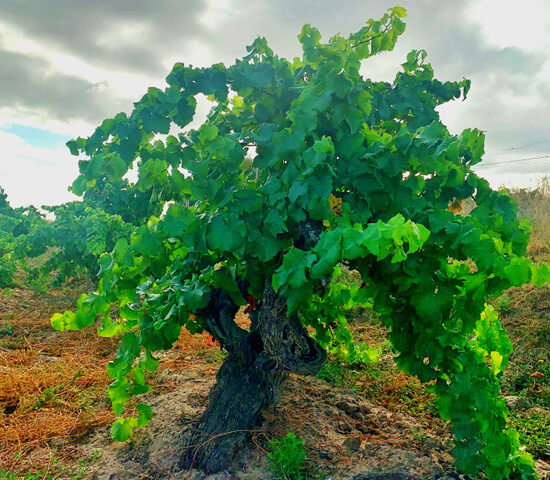
El Arca vineyard lies just north of the 15th-century stone castle of Quel. It takes its name from a remarkable neighbouring 19th-century building whose purpose was to divert water into three separate channels: one heading to Arnedo, another to Autol, and a third to Quel itself. The vineyard exists in what we call a water paradox: it is permanently surrounded by the sound and presence of flowing water, yet it struggles to truly benefit from this apparent abundance. El Arca spans 0.89 hectares and is a genuine relic: a plot of century-old Garnacha vines planted in 1892. Its remarkable longevity reveals the extraordinary adaptation of Garnacha to this specific corner of Rioja, as well as the variety’s profound capacity to express terroir identity.
Within its 7,000 m², roughly 2,000 vines coexist. Alongside the dominant Garnacha, small amounts of white varieties appear here and there — a living reminder of the traditional polyculture viticulture that has defined this part of Rioja since time immemorial.
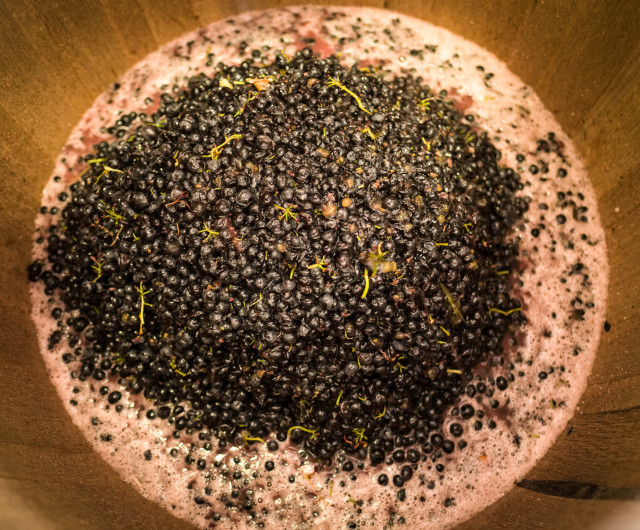
Much of the winemaking process begins directly in the vineyard. The very first batch reaches the winery already as individual berries, each one carrying and expressing the distinctive —and fragile— personality of this truly unique site.
The soil of El Arca constitutes its own remarkable micro-ecosystem: a complex amalgam of sand, silt, and multiple delicate layers of clay. Although it gives the impression of an extremely poor, austere soil, this very restraint is essential — it is precisely what allows the vines to produce wines of exceptional depth and potential.
The vineyard’s orientation plays a decisive role in both its long-term survival and in achieving the fragile equilibrium between restrained production and outstanding quality. El Arca looks straight into the path of the cold, drying Cierzo winds from the north, which protect it from the scorching summer heat and help maintain freshness and elegance in the fruit.
The decision by late-19th-century winegrowers to plant this precise site once again demonstrates the profound knowledge of terroir held by Rioja’s founding viticulturists.
Each vine stands as a true natural wonder — a living sculpture of twisted, wiry arms carved into ancient wood, silently recording the passage of every year, every vintage, and every succession of seasons that have gradually shaped the distinctive personality of each individual plant.
Terroir
Barely one hectare in size, the El Arca terroir consists of more than 100-year-old Garnacha vines growing alongside a remarkable 19th-century watershed formed by three drainage canals that still supply water to the neighboring villages of Arnedo, Autol, and Quel. These ancient vines possess deep ancestral roots and feature twisted, almost caricatured arms, dramatically shaped by generations of winegrowers.
Memory
Rioja, Rioja Oriental and the Cidacos river valley represent a few sites of the most ancient, yet little known Riojan wine traditions. The first document that testifies to the origin of viticulture in Quel dates from 1327 and its primitive “wine cellar district” with caves carved out of the cliff face, otherwise known as the “Barrio de Bodegas”, one of the most unique and historical locations in the world for winemaking.
Family
As wine growers, the Pérez Cuevas family represents a link with Rioja viticulture that spans four generations and exemplifies the ultimate expression of love for its native environment and the recovery of its wine heritage.
Harvest 2021
The growing season was defined by a cold, wet winter, which allowed for the accumulation of excellent water reserves in the soil. A cool spring followed, bringing April frosts that particularly affected the lower reaches of Rioja Oriental, leading to a notable reduction in yields. While the summer was warm, temperatures remained moderate, and sporadic rainfall helped alleviate water stress. The precipitation between the 10th and 20th of September arrived at the perfect moment, allowing the vines to achieve optimal phenolic and alcoholic ripeness. This “gift” resulted in wines of great volume and body, with intense colour and remarkable aromatic expression.
Harvest Date: 7th October.
Tasting notes
Appearance: Medium-high depth, bright. Cherry red with vivid ruby glints, indicating moderate evolution and a sophisticated maturity.
Nose: High intensity, remarkably elegant and complex. It evolves subtly yet constantly in the glass, unfolding a wealth of aromatic nuances. Initially, ripe red and black fruits take centre stage: cherry compote, cherries in liqueur, blackberry, blueberry, raspberry, and prune. These are joined by delicate floral notes (violet), aromatic herbs, and Mediterranean scrubland (rosemary, thyme), alongside subtle truffle undertones that speak clearly of its terroir. Subsequently, delicate dairy notes appear (fine pastries, café au lait), complemented by spices (white pepper, clove) and well-integrated oak: fresh tobacco, toasted bread, bitter almond, and vanilla. All elements exist in perfect harmony, always respecting and enhancing the core fruit character.
Palate: Powerful, voluminous, and savoury on the palate, showing great breadth and roundness. It possesses significant mid-palate weight, excellent balance, and a marked yet beautifully integrated acidity that provides freshness and tension. The tannins are finely polished, silky, and completely tamed. It leaves a very pleasant, coating sensation that invites another sip. The finish is long and persistent, echoing its full complexity on the retro-nasal passage, with ripe fruit and spicy notes as the final protagonists.

vintage
Technical data



TASTE NOTE
Taste note 2021PREVIOUS VINTAGES
Taste note 2020 Taste note 2019 Taste note 2018 Taste note 2017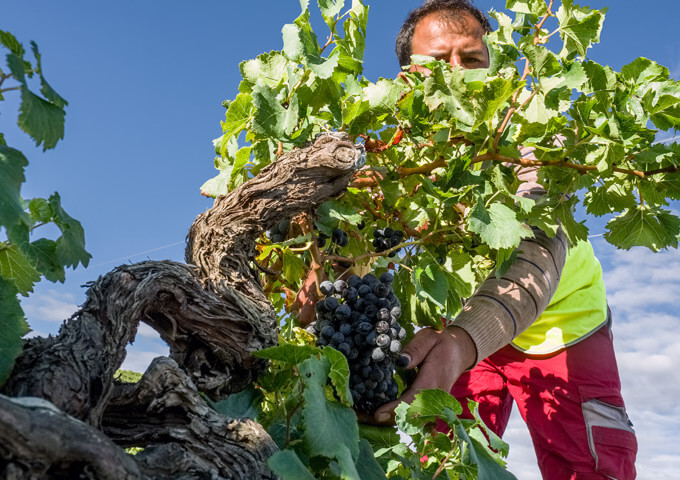
Harvest
The harvest of Queirón El Arca is carried out entirely by hand, with meticulous care taken to safeguard the integrity of each cluster and to ensure only the finest grapes — those achieving optimal phenolic ripeness as measured by the Total Polyphenol Index (TPI) — are selected. It commences at daybreak, capitalizing on the cool night temperatures to preserve freshness and vitality. The bunches are gently placed into small 15-kg boxes and transported immediately to the winery, safeguarding every nuance of this exceptional terroir. Production remains profoundly limited — under 2,000 kg from the entire 0.89-hectare plot — translating to less than one kilogram of grapes per vine. In this way, each bottle of Queirón El Arca embodies the singular essence of one individual vine from this ancient, storied vineyard.
Elaboration, élevage and affinage
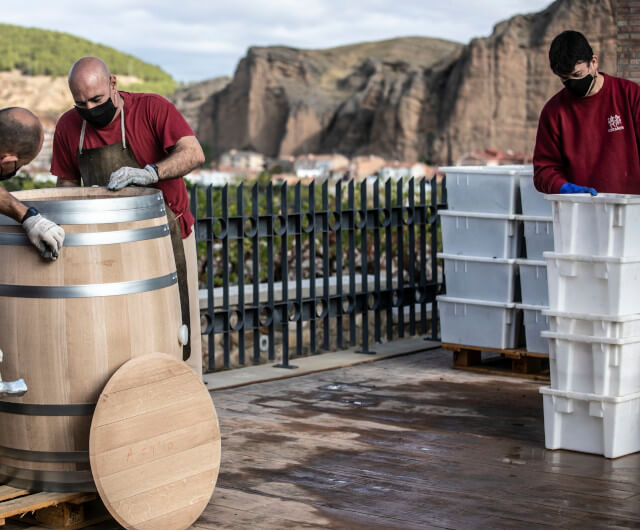
The clusters from El Arca were hand-harvested on October 6, 2020, beginning at eight in the morning. After an overnight rest in a cold room at 12°C, the first step in the winery is a meticulous cluster-by-cluster selection, ensuring that only berries exhibiting optimal ripeness and absolute health proceed.
The grapes are then destemmed (separating the berries from the stems). They are gently placed into 300-litre American oak barrels, where a light rocking motion releases juice from some — but not all — of the berries. This initiates a semi-carbonic maceration without the stems, deliberately avoiding the release of herbaceous compounds that the stems might impart.
The technique captures certain advantages of carbonic maceration — notably an enhanced aromatic intensity and the purest, most vibrant expression of fruit — while still incorporating elements of traditional winemaking: the gentle crushing liberates must that comes into contact with the skins, promoting the extraction of tannins and anthocyanins, the essential compounds that contribute to the wine’s structure, colour stability, and overall quality.
Once the grapes are in the sealed barrels, spontaneous fermentation begins with the vineyard’s native yeasts, faithfully capturing the most authentic and site-specific expression of El Arca — a precise snapshot of its singular complexity and the genuine character imprinted by this exceptional vineyard.
Fermenting the grapes directly in barrel maximizes the gentle extraction of tannins, which aid in colour stabilization while simultaneously enhancing mouthfeel volume and aromatic complexity.
During fermentation in the barrels themselves, the gentle yet accelerated extraction of tannins promotes colour stabilization while simultaneously building greater volume and enhanced aromatic complexity.
Following this initial alcoholic fermentation — which lasts ten to twelve days — the wine undergoes saignée (bleeding off the free-run juice), separating it from the seeds and skins. It is then transferred into one-year-old French oak barrels of varying toast levels.
Once primary fermentation concludes, the wine is racked once more, and a careful homogenization of all lots takes place before reintroduction into French oak barrels, where malolactic fermentation proceeds naturally, again driven by the vineyard’s own indigenous yeasts. These native yeasts profoundly reinforce the wine’s unique identity, amplifying its aromatic complexity, elegance, and textural volume.
In this élevage phase, the wine rests five to seven months on its fine lees, enriching its depth through prolonged lees contact.
Subsequently, it is moved into egg-shaped concrete tanks. Crafted from porous limestone and clay, these vessels allow a subtle, controlled micro-oxygenation that mirrors the breath of oak without imparting woody notes. The distinctive ovoid form generates a gentle internal vortex, keeping the lees in soft suspension and fostering a particularly refined aging on fine lees — ultimately lending the wine added complexity, finesse, and mouth-filling volume.
After a total maturation of twenty months, the wine is finally bottled and cellared in the winery’s cool, quiet depths until it reaches its precise moment of peak expression and enjoyment.
single
vineyard
Queirón El Arca is a wine that is included in the new category of the DOCa Rioja Regulatory Council, otherwise known as: ‘Single vineyard’, which consists of a stratification of the most unique parcels of the Denomination and which have previously been recognized by the Ministry of Agriculture and certified as singular examples, meeting a series of demanding parameters. The singular vineyard can be comprised of one or more officially registered parcels. The minimum age of the vineyard must be at least 35 years.
The wine from a ‘Viñedo Singular’ is required to pass two separate tests: the first after the first fermentation for qualification and the second before the market launch. The aforementioned, must be determined ‘excellent’ in the organoleptic analysis, which is carried out in accordance with the Technical Instruction of Verification of the Single Vineyard and that is equal to a minimum of 93 points on the OIV tasting sheet used by the Council. This tasting committee has been specially formed by six technicians who work in different DOCa wineries. Vineyard requirements include vineyard yields of 20% lower than usual (maximum of 5,000 kg / ha in reds and 6,922 in whites) and 65% in grape transformation compared to a 70% standard.
Jordi
Paronella
Vidal
Head Sommelier of Jaleo Restaurants in the USA
High-powered
Garnacha
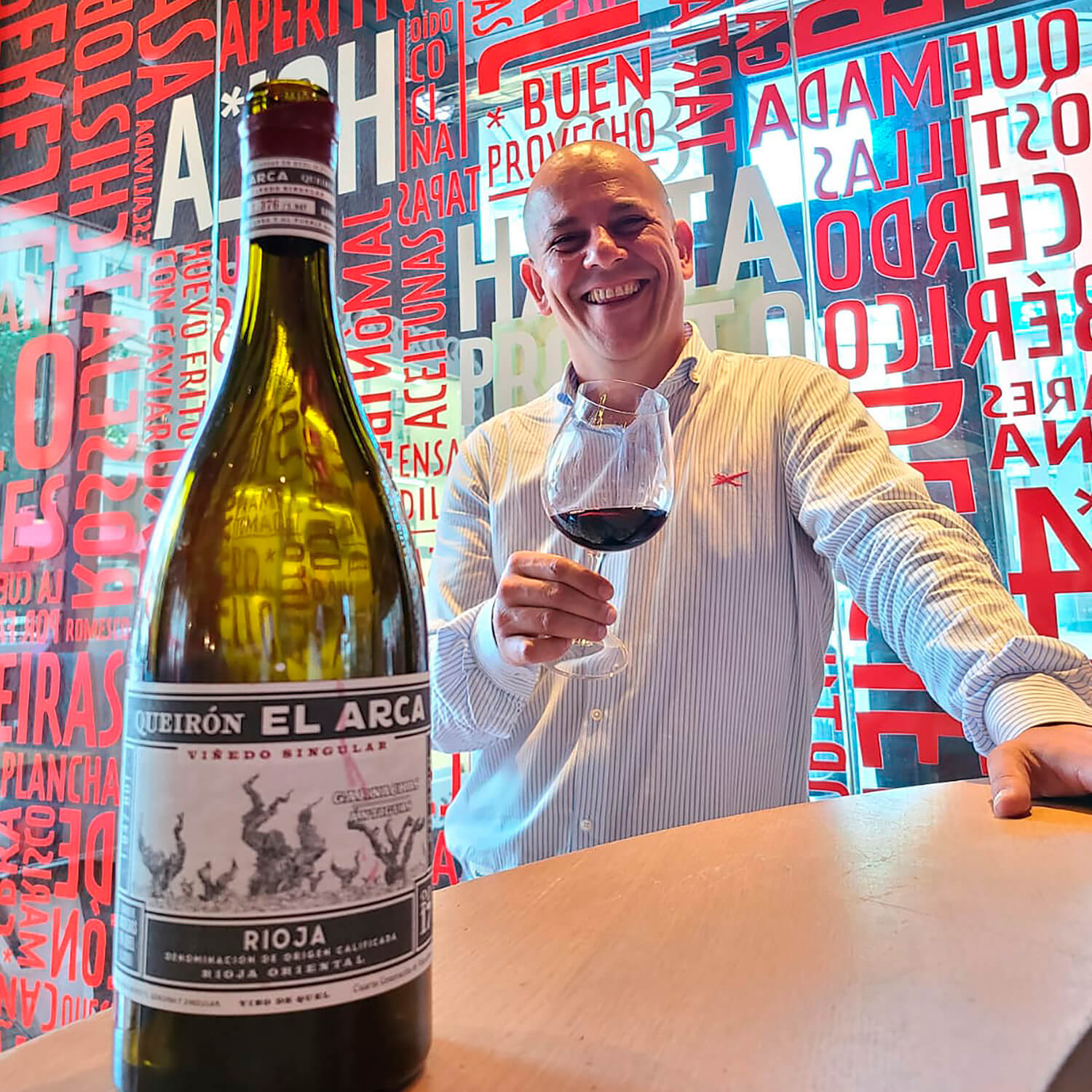
A new light shines in the historic district of Queirón, showcasing the centenarian high-powered Garnacha of “El Arca”. It opens with aromas of red cherry and strawberry, surrounded by dried Mediterranean herbs, dried rose petals and a light touch of bitter orange peel. The flavors are all enveloping on the palate, with silky and delicate flavors that lead to an unforgettable finish. This is territory and tradition in the glass, signaling a long life and a promising future.

Mi Lugar
2019
The allegory of Quel
Mi Lugar Tempranillo Blanco
2021
inspiration

Queirón de Gabriel
2011
Gabriel´s dream

Ensayos Capitales
2018
Challenging the limits
Ensayos Capitales Nº3
2020
Asoleao