



the
Queirón
vineyards
A rich universe of parcels
on the slopes of Quel,
in the heart of the Sierra de Yerga
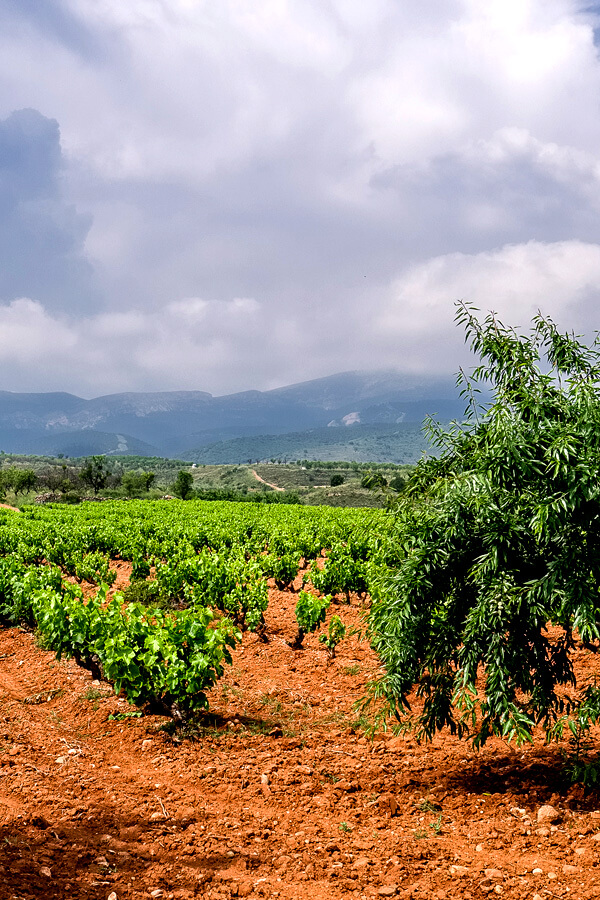
An old saying from Spain’s rich cultural heritage reminds us that nature is wise. This belief lies at the very heart of the vineyard work carried out by Queirón’s field team, who nurture, protect and feel deeply connected to the constellation of vineyards that define our estate. An extraordinary collection of soils, elevations, exposures and vine ages forms one of Queirón’s greatest assets as a winery within the DOCa Rioja. The vineyards, estates and small plots of the Queirón universe are located in one of Rioja’s most secluded areas, around Quel, stretching from the northern bank of the Cidacos River to the steep, often unexpected heights of the Sierra de Yerga.
Exceptional Conditions for Viticulture
Queirón’s vineyards embody the purest essence of Rioja Oriental, a territory where altitude, poor soils and intense light combine to create exceptional conditions for viticulture. Each parcel stands as a living testament to the interaction between climate, soil and vigneron, giving rise to wines of remarkable personality, elegance and longevity.
The Queirón vineyards form a mosaic of parcels within the municipality of Quel, in Rioja Oriental, at elevations ranging from 500 to 800 metres above sea level. This diversity of sites underpins the estate’s production, drawing on the varied soil compositions and exposures of the Sierra de Yerga.
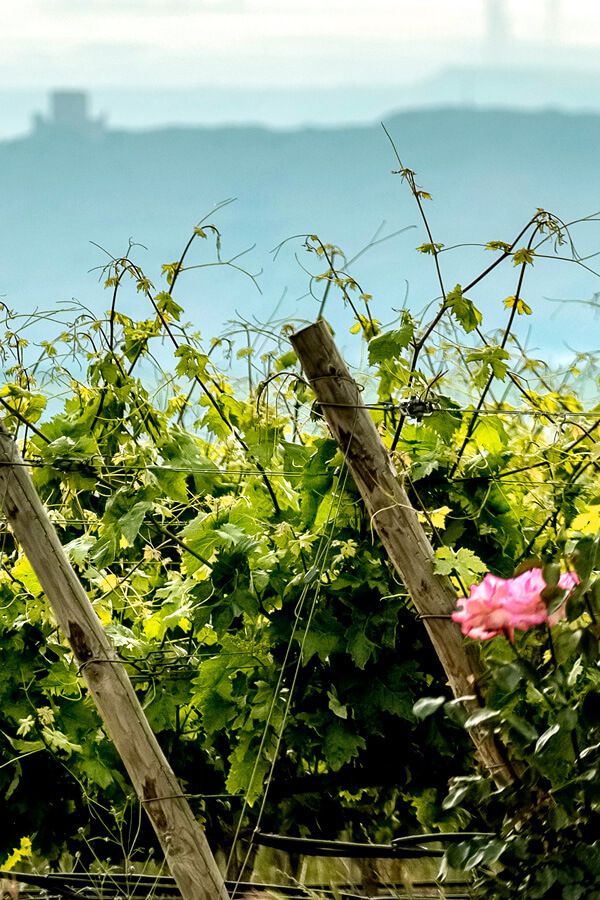
El Arca is the oldest parcel on the estate, a Garnacha vineyard planted in 1892 that survived the phylloxera epidemic. Los Palos de Tanis, by contrast, represents direct family heritage: a Tempranillo vineyard planted by the grandfather of the current generation.
At higher elevations lies La Pasada, the estate’s most northerly vineyard, situated at over 700 metres above sea level on stony, gravel-rich soils and strongly influenced by cool northern winds.
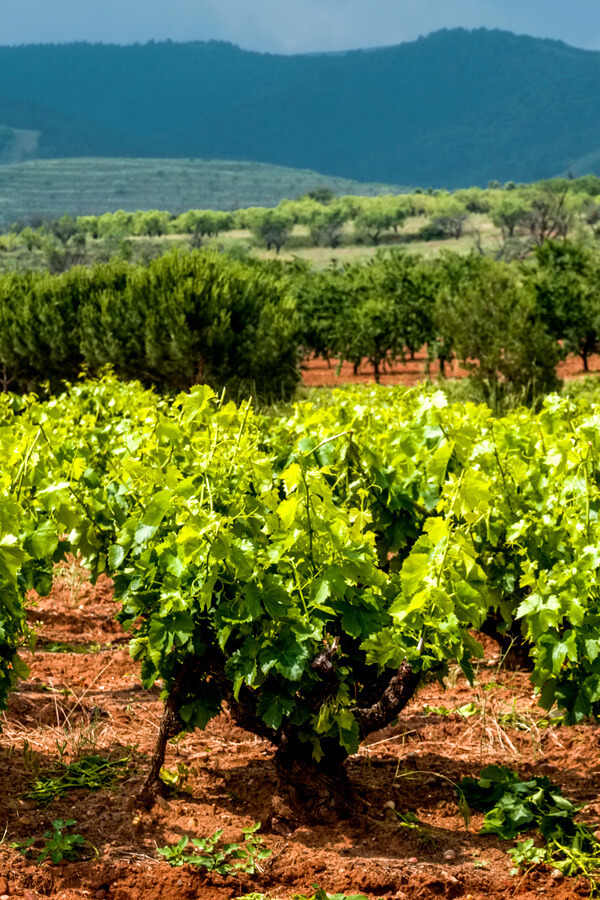
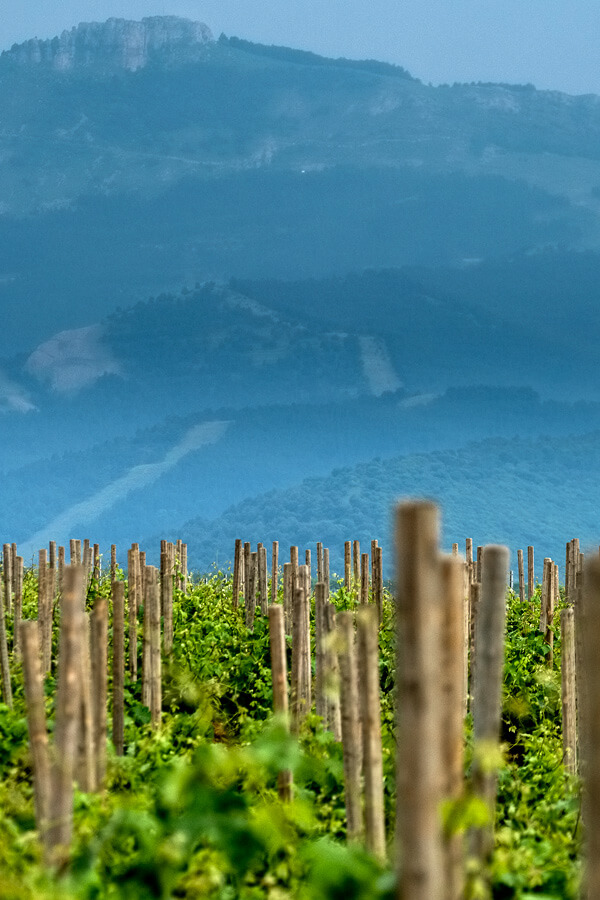
The remainder of the estate is divided into parcels defined by distinct microclimates and soil profiles. El Poeta rests on flagstone and rocky soils, with very limited yields. La Perdida is located in an area of ravines and steep slopes, creating pronounced thermal contrasts. La Bartola is characterised by sandy soils and the preservation of traditional bush-trained old vines, while El Pozo stands out for its ability to retain underground water freshness.
Together, these vineyards are managed through precision viticulture, supplying grapes that are later processed in the winery using a gravity-flow system, with each site vinified separately according to its structure and ripening potential.
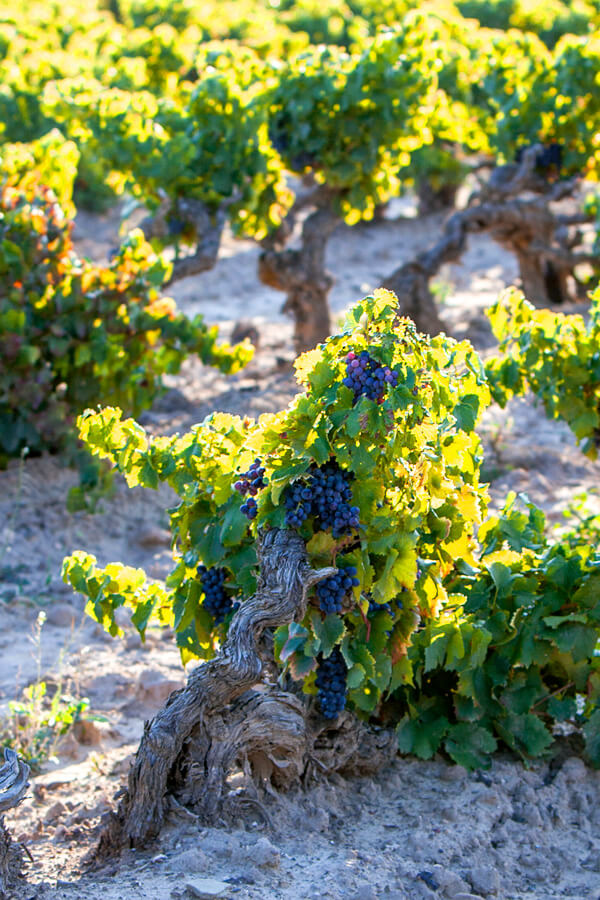
///viñedo singular ///garnacha
El Arca
A three-century-old terroir
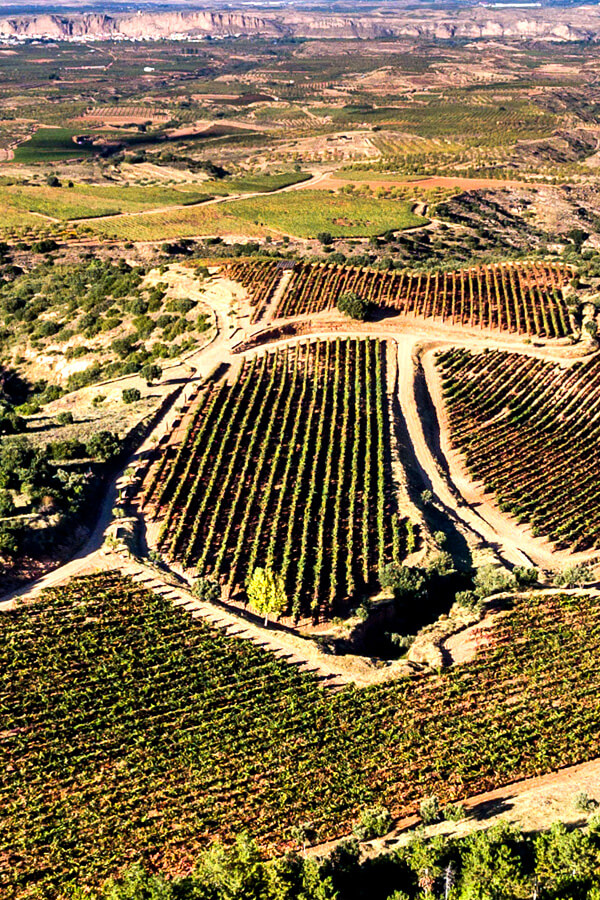
///viñedo de Quel ///tempranillo
La Pasada
A vineyard between three climates
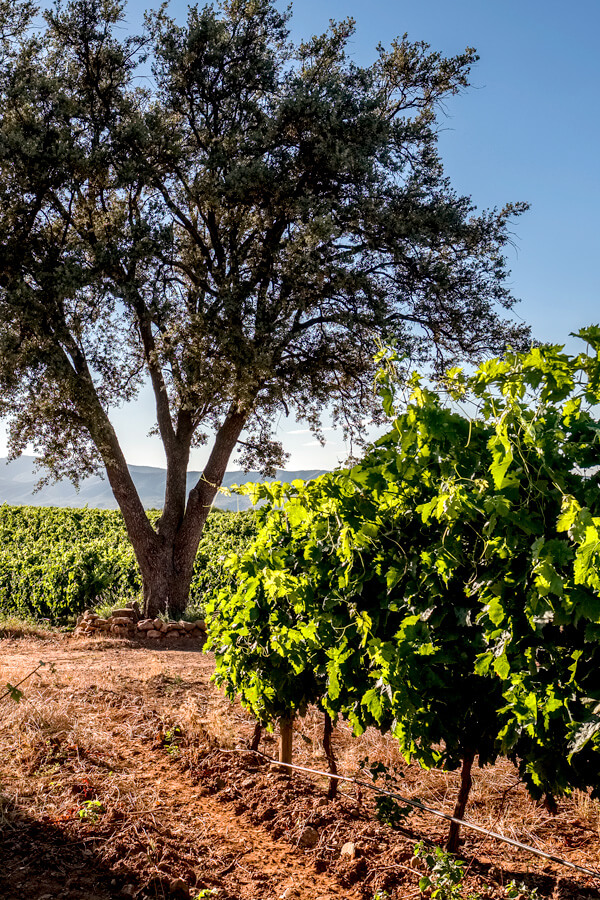
///viñedo de Quel ///graciano
El Pozo
Graciano's expression
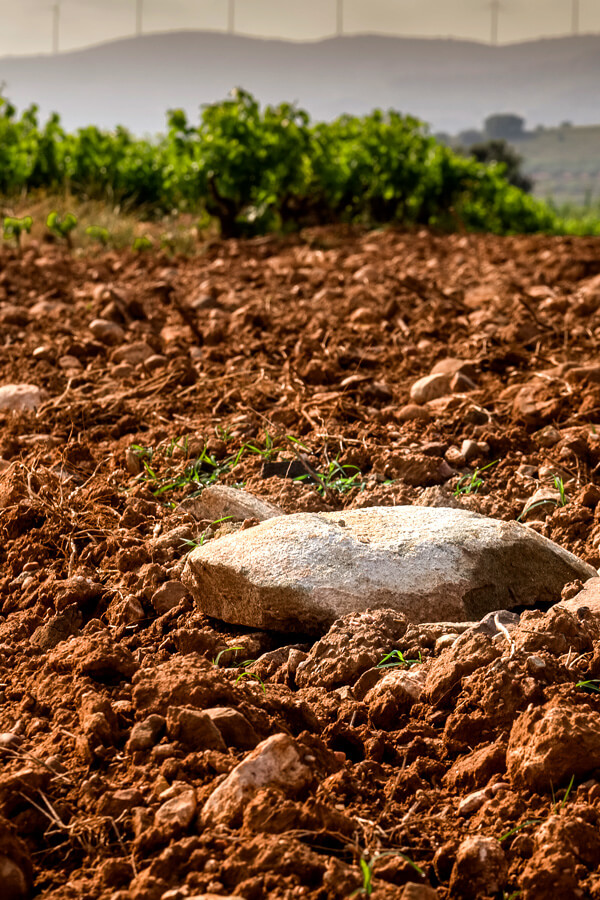
///viñedo de Quel ///garnacha
El Poeta
Garnacha vines in avery poor soil
///viñedo de Quel ///garnacha
La Perdida
Low, old, silent
///viñedo de Quel ///garnacha
La Bartola
Heavenly and brave
///viñedo de Quel ///tempranillo
Los Palos de Tanis
Verticality and elegance
///viñedo de Quel ///tempranillo
Hoyo Judío
The viticulture of an alchemist